


Heat Pump vs Furnace Which Is Right for Nevada County?
For Nevada County homeowners shopping for a new heating system, the question of "heat pump vs gas furnace" is no longer theoretical. Modern cold-climate heat pumps perform well at our elevations, federal tax credits sweeten the math, and PG&E rate plans increasingly favor electric heating. We have installed both extensively across Grass Valley, Nevada City, Auburn, and the surrounding area. Here is the honest comparison.
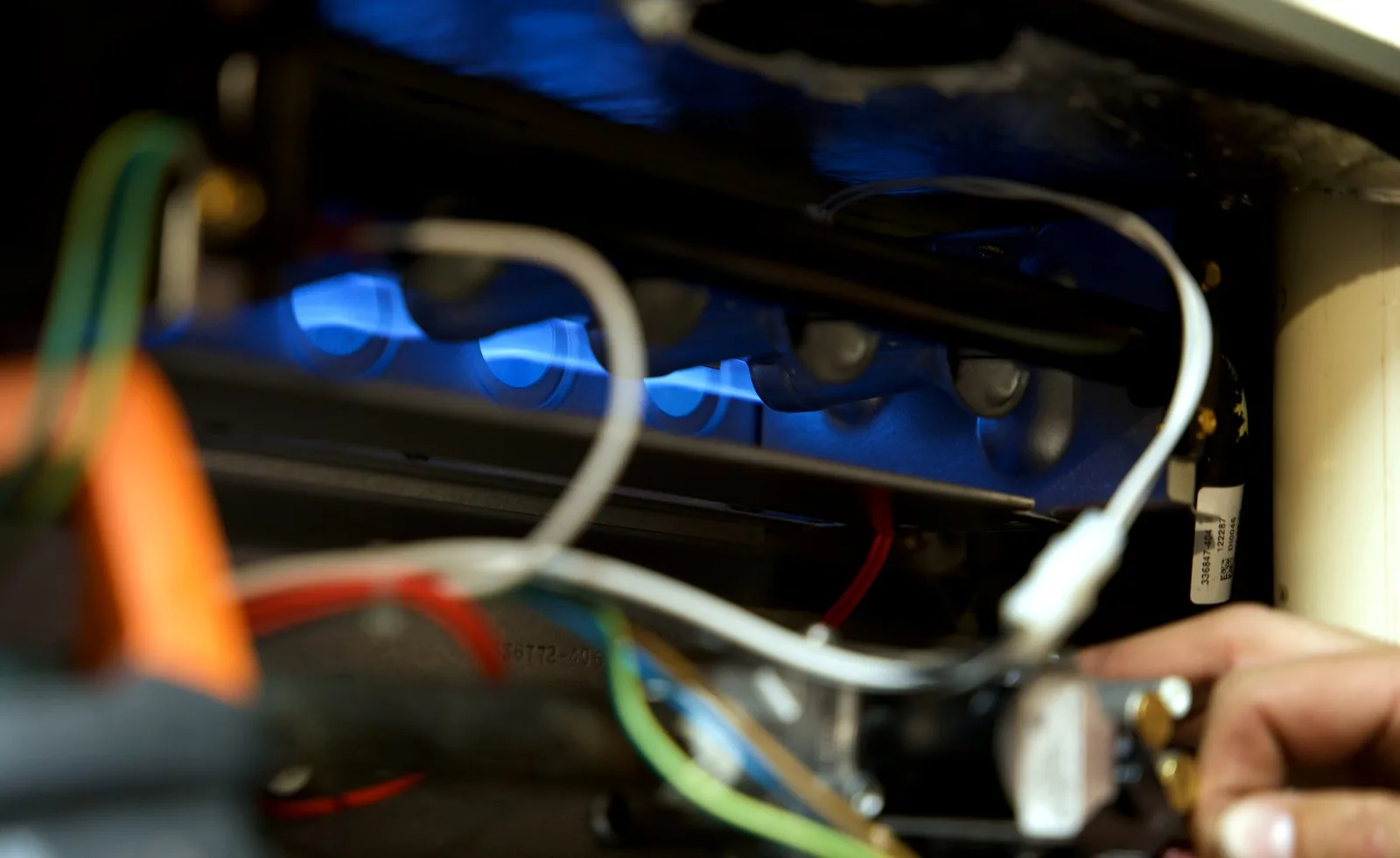
At a glance
| Factor | Gas Furnace | Heat Pump |
|---|---|---|
| Up-front cost (typical) | $5,000-$9,000 installed | $8,000-$15,000 installed |
| Federal tax credit | None for furnace alone | Up to $2,000 (IRA, qualifying models) |
| Operating cost in winter | Depends on gas price | Depends on PG&E rate plan |
| Performance below 25°F | Excellent | Modern cold-climate models excellent |
| Provides cooling too? | No (separate AC needed) | Yes (heating and cooling in one) |
| Equipment lifespan | 15-20 years | 12-15 years (current models) |
| Maintenance | Annual tune-up | Annual tune-up + filter changes |
| Carbon footprint | Burns natural gas | Electric, depends on grid mix |
When a gas furnace still wins
For homes with reliable existing gas service, gas furnaces remain a strong, simple, well-understood option. Operating cost is predictable, equipment lifespan is excellent, and Nevada County winter cold snaps never challenge a properly-sized modern furnace. If your existing gas furnace is failing and you do not want to mess with electrical service upgrades, a high-efficiency gas furnace is often the fastest, lowest-friction answer.
When a heat pump makes more sense
Heat pumps win on three big fronts: federal tax credits ($2,000+ on qualifying installs under the Inflation Reduction Act), the ability to handle both heating AND cooling with one system, and steady operating cost competitiveness as PG&E rates evolve. Newer cold-climate models hold full heating output well below freezing, far below anything Grass Valley or Auburn sees. For homes replacing both AC and furnace at the same time, heat pumps usually pencil out best.
The hybrid (dual-fuel) option
For homes that want most of the heat-pump benefit without fully committing, a dual-fuel setup pairs a heat pump with a gas furnace as backup. The heat pump handles 90% of the year; the furnace kicks in for the coldest snaps. Often the most cost-effective option for homes with existing functional gas furnaces, you get the efficiency upside without scrapping a perfectly good furnace.
How elevation affects the call
At Grass Valley and Auburn elevations (1,300-2,500 feet), both technologies perform well year-round. At Truckee or Tahoe City elevations (5,800+ feet), gas furnaces need combustion derating and heat pumps need cold-climate-rated models with backup heat strips. We size and spec equipment for the elevation when we quote, not all contractors do, and undersized mountain installations are a leading cause of comfort complaints.
Related: heat pump installation, furnace installation, 2026 HVAC rebates.
Frequently asked
Will a heat pump actually work in Grass Valley winters?
Yes. Modern cold-climate heat pumps produce full heating capacity well below 25°F. Grass Valley rarely sees temperatures cold enough to challenge a properly-sized heat pump. Equipment selection matters, we use cold-climate-rated models and add backup heat strips when the math calls for it.
Is a heat pump cheaper to operate than a gas furnace?
It depends on PG&E rate plan and gas prices in your area. With current TOU rate plans, heat pumps often have lower or comparable operating cost in Nevada County, especially when paired with smart scheduling. We can model your specific home and rate plan during the in-home estimate.
What about the federal tax credit?
The Inflation Reduction Act offers up to $2,000 in federal tax credits for qualifying heat pumps. Combined with PG&E rebates and California-specific incentives, these can offset $3,000-$5,000 of the up-front difference between heat pump and gas furnace systems. We help with the paperwork as part of every install.
Can I add a heat pump to my existing furnace?
Yes, that is a hybrid (dual-fuel) setup, and it is often the best option for homes with existing functional gas furnaces. The heat pump handles routine heating; the furnace handles cold snaps. You get most of the efficiency benefit without scrapping the existing equipment.
How long do heat pumps last?
Modern heat pumps typically last 12-15 years. Gas furnaces typically last 15-20 years. Heat pump lifespan is shorter because the equipment runs year-round (heating and cooling) rather than only in winter. Maintenance matters significantly, well-maintained heat pumps reach the upper end of that range, neglected ones do not.