


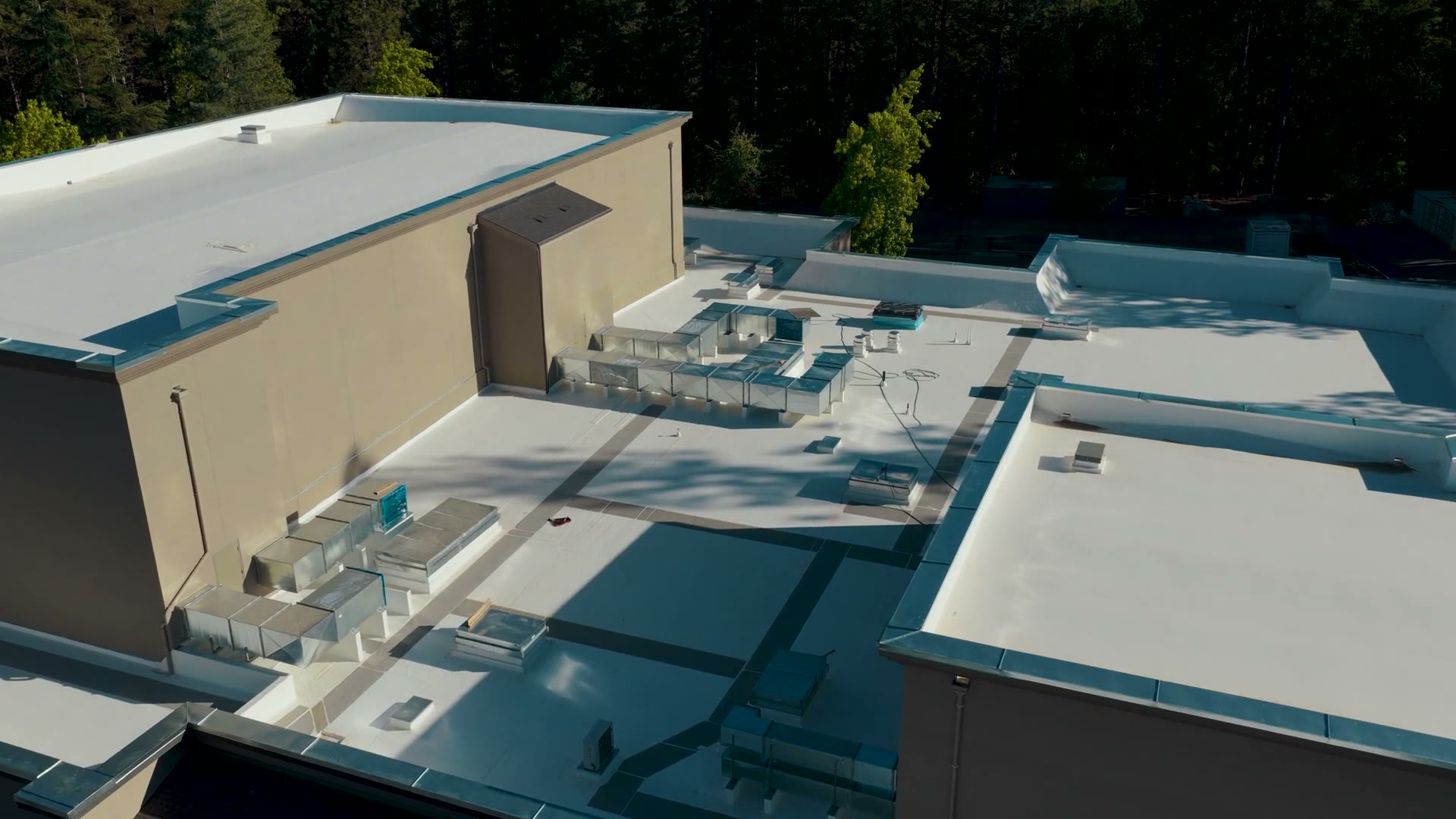
How HVAC Efficiency Affects Your Home Value What appraisers and buyers look for in your heating and cooling system
When homeowners think about boosting property value, the HVAC system rarely comes to mind first. It should. A high-efficiency heating and cooling system raises energy performance, eases a buyer's worry about future repairs, and appeals to the comfort-conscious shoppers common across Grass Valley, Nevada City, and the rest of the Sierra foothills. Whether you plan to sell soon or refinance later, knowing how appraisers weigh your system helps you protect your return.
Why HVAC Efficiency Shows Up in an Appraisal
An efficient system can cut monthly utility bills by 10 to 30 percent, and that saving carries weight with buyers. Lower operating costs read as long-term value, which makes a home more attractive and easier to price competitively. Appraisers look at the same picture from the other side. They assess the age, condition, and specifications of the heating and cooling equipment. An older, inefficient system can pull the appraised value down because the buyer faces a near-term replacement cost. A newer, energy-efficient system does the opposite. It signals a home that is ready to live in, not one with a major bill waiting in the wings.
What Appraisers Actually Measure
A few specifics carry the most weight when a system is evaluated:
- System age and condition. Equipment under roughly 10 years old is generally treated as an asset. Dated systems can prompt a downward adjustment for replacement cost or functional obsolescence.
- Efficiency ratings. Appraisers may note the SEER2 rating for cooling and the AFUE rating for furnaces, with HSPF for heat pumps. Higher numbers point to better performance and lower running costs.
- Energy certifications. A strong HERS index result or ENERGY STAR qualified equipment can feed directly into the energy section of a valuation.
- Smart controls. Smart thermostats and zoning are increasingly recognized as value-adds, especially in updated homes.
California Code, HERS Testing, and Documentation
In California, efficiency is not just a marketing claim. It is verified. Under Title 24 energy code, many HVAC changeouts require third-party HERS testing (Home Energy Rating System), performed by a certified HERS rater independent of the installing contractor. Depending on the work, that can include duct leakage testing, refrigerant charge and airflow verification, and fan watt draw. The result is a paper trail that proves the system performs as installed. Keep those HERS certificates along with installation records, equipment model numbers, and warranties. When an appraiser or buyer asks what was done, documented, code-compliant work is far more persuasive than a verbal assurance. A properly permitted and HERS-verified install protects both the home's value and the next owner.
Upgrades That Tend to Pay Back
Not every improvement moves the needle the same amount. The ones that consistently help:
- A high-efficiency AC or heat pump. Replacing an aging unit with current high-SEER2 equipment improves both efficiency and marketability. Heat pumps are a strong fit for the mild winters and warm summers across Nevada and Placer County, and they may qualify for current federal or state rebate programs.
- A modern furnace. A high-AFUE furnace lowers winter heating costs in the foothills and removes a buyer's biggest cold-weather concern.
- A smart thermostat. Low cost, high perceived value, particularly when it ties into a connected home.
- Duct sealing and indoor air quality improvements. Tighter ducts support the whole system and the home's energy score, and cleaner air is an easy selling point.
Cost Versus Return
Upgrading to a high-efficiency system can return a meaningful share of its cost in added home value, with estimates often landing in the range of 50 to 80 percent, on top of the energy savings you collect while you still live there. In an energy-conscious or competitive market, that return can run higher. The math improves further when financing keeps the project manageable. We offer flexible financing so a comfort and efficiency upgrade does not have to wait until you are ready to sell. The earlier the new system goes in, the longer you benefit from the lower bills before any appraisal.
What Today's Buyers Want
Buyers across the region tend to look for the same things: lower ongoing utility costs, peace of mind from newer equipment, smart home compatibility, and responsible energy use. A modern, efficient system speaks to all four at once. Meeting those expectations gives a home a real edge on both the appraisal report and the listing itself. It is one of the few upgrades that improves daily comfort while you own the home and strengthens your position when you sell it.
Related: energy-efficient HVAC upgrades, what a home energy audit covers, heat pump installation.
Frequently asked
Do appraisers always check the HVAC system?
Yes. An appraiser assesses the age, condition, efficiency, and whether the system is properly sized for the home. A failing or undersized system can lower the valuation.
Can an old HVAC system hurt my home appraisal?
It can. A system near the end of its life, or one with poor efficiency, may reduce the appraised value because the buyer faces an expected replacement cost.
Is a smart thermostat worth installing before selling?
Usually. It is a low-cost upgrade that adds perceived value, especially for buyers who care about energy use or connected-home features.
How do I prove my HVAC upgrade adds value?
Keep your documentation. Installation receipts, equipment model numbers, warranties, SEER2 or AFUE ratings, and any HERS certificates or ENERGY STAR records all support a higher appraisal and reassure buyers.
What is HERS testing and do I need it in California?
HERS stands for Home Energy Rating System. Under California Title 24, many HVAC changeouts require third-party HERS verification by a certified rater, which can include duct leakage, refrigerant charge, airflow, and fan watt draw testing. It confirms the system performs to code.
Do efficiency upgrades add the same value everywhere?
No. The impact varies with local climate, utility costs, and market demand. In the Sierra foothills, where homes see both warm summers and cold winters, an efficient, year-round system is a clear advantage.