


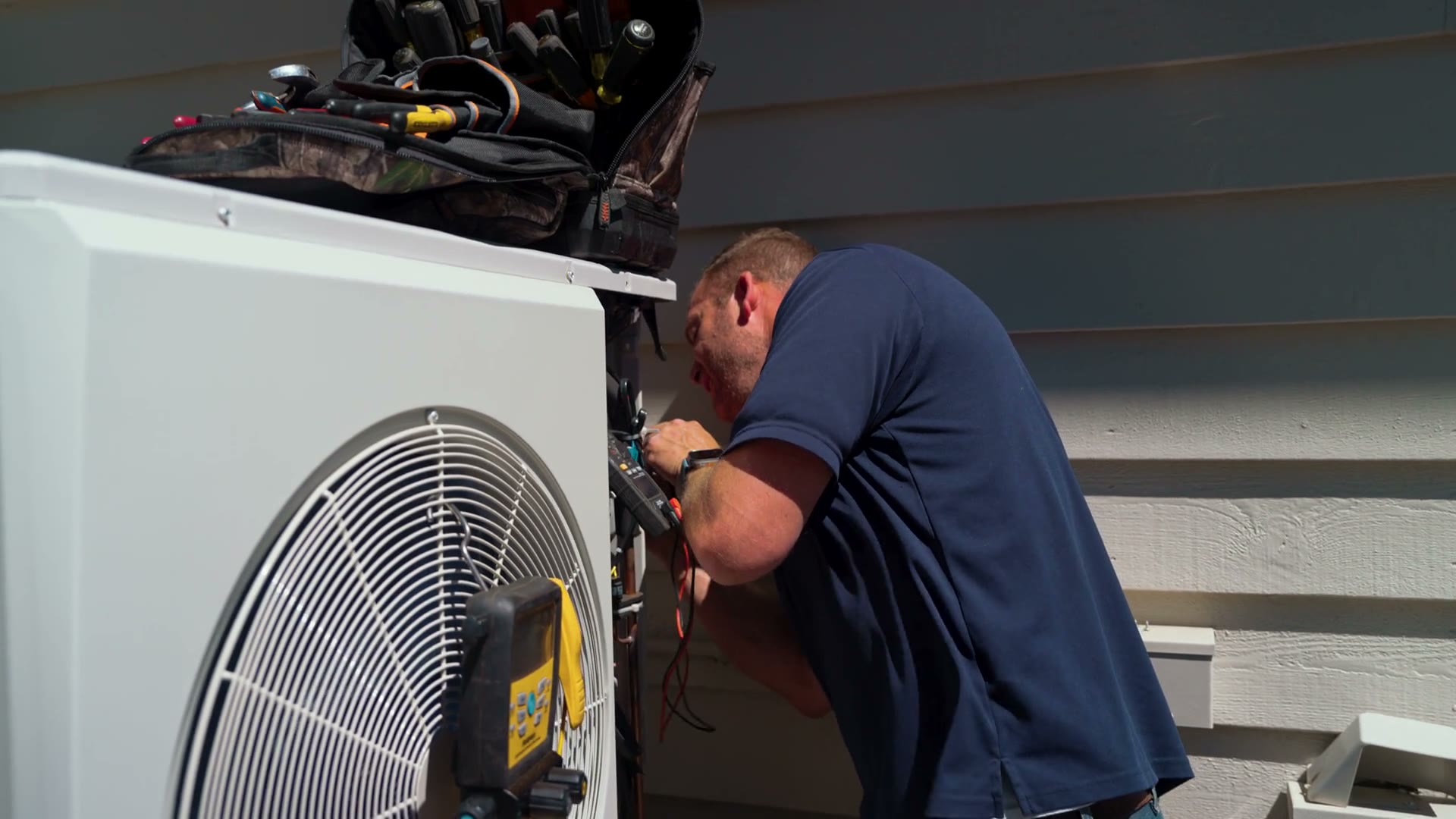
HERS Testing vs HERS Ratings The Difference Explained for California Homeowners
Two terms get mixed up all the time: HERS testing and a HERS rating. They share a name, but they do different jobs. One is a code-required field check on the HVAC system we just installed. The other is a whole-home energy score. Knowing which is which saves confusion, time, and sometimes money on a Northern California HVAC project. Here is the plain version.
What HERS Stands For
HERS is the Home Energy Rating System. It covers two related but separate things in California. The first is HERS testing, also called field verification and diagnostic testing. That is the inspection a certified third-party rater performs on installed equipment to confirm it meets California's Title 24 energy code. The second is a HERS rating, also called the HERS Index, a whole-home energy efficiency score on a scale set by RESNET (the Residential Energy Services Network). The shared acronym is why homeowners in Grass Valley and Auburn assume they are the same test. They are not. One verifies a specific install. The other scores the whole house.
HERS Testing: The Code-Required Field Check
When we replace a furnace, swap an air conditioner, install a heat pump, or alter ductwork, California Title 24 often requires a HERS test before the permit can close. A certified HERS rater (independent from us, by law) measures the work in the field. Common checks include:
- Duct leakage testing. The rater seals the vents and pressurizes the duct system to measure how much air escapes into attics, crawlspaces, and walls.
- Refrigerant charge verification. On split systems, mini-splits, and any system with a refrigerant loop, the rater confirms the charge is correct (this check is climate-zone dependent).
- Airflow and fan watt draw. In certain Sierra foothill climate zones, the rater confirms the system moves enough air per ton and that the blower is not drawing excess power.
HERS Rating: The Whole-Home Score
A HERS rating is different. It is a single number that estimates how energy efficient an entire home is, scored on the RESNET HERS Index. The scale runs from 0 to roughly 250. Lower is better. A home at 100 meets a standard reference baseline. A home at 0 produces as much energy as it uses. A high number means the house leaks energy. A HERS rating looks at the whole envelope: insulation, windows, air sealing, the heating and cooling system, water heating, and more. It is the kind of score you might see on a new high-efficiency build or an energy audit, not something tied to a single furnace swap. Most homeowners replacing one system will need HERS testing, not a full HERS rating.
Why the Difference Matters on Your Project
Mixing the two up causes real problems. A homeowner who hears the word HERS sometimes expects a full energy score, then gets confused when the rater only checks the ductwork and refrigerant charge. Others assume no inspection is needed at all and get surprised when the permit will not close without one. Here is the practical line: for a typical AC installation or furnace replacement in Nevada County or Placer County, Title 24 triggers HERS testing on the specific work performed. A full HERS rating usually comes up with new construction, major remodels, or when a program or lender asks for an energy score. We tell you up front which one your job needs so there are no surprises at final inspection.
How the Two Connect Through Title 24
Both live under California's Title 24 energy code, and they connect through the compliance paperwork. The energy report filed when the permit is pulled (the design-stage form) lists exactly which field verifications are required. If HERS testing is needed, it is spelled out there. After we finish the install, the installing contractor documents the work, and the independent HERS rater verifies it and signs off on their own form. Think of it this way: Title 24 is the plan, HERS testing is the proof. A HERS rating, when it applies, is a broader efficiency score layered on top. We coordinate the rater and the forms so the chain stays clean from permit to closeout.
What Brewer Handles for You
We have run HVAC changeouts across the Sierra foothills since 1980, so we know how California's climate zones change the testing requirements from Grass Valley down to Auburn and up toward Truckee and Tahoe City. As a Carrier Factory Authorized Dealer with NATE-certified technicians (CA Contractors License #608848), we size and install the system correctly the first time, then schedule the independent HERS rater and manage the Title 24 paperwork. That means duct leakage, refrigerant charge, and airflow checks pass cleanly, and your permit closes without back-and-forth. If you also want a full home energy picture, ask about an indoor air quality and efficiency assessment, and if cost is a concern, current rebate programs and our financing options may help.
Related: what HERS testing involves, the HERS testing guide, heat pump installation.
Frequently asked
Is HERS testing the same as a HERS rating?
No. HERS testing is a code-required field check by a third-party rater on the specific HVAC work installed, such as duct leakage and refrigerant charge. A HERS rating is a whole-home energy efficiency score on the RESNET HERS Index. They share the HERS name but do different jobs.
Do I need a HERS rating when I replace my furnace or AC?
Usually not. A typical furnace or AC replacement in California triggers HERS testing on that specific work under Title 24, not a full whole-home HERS rating. A HERS rating more often applies to new construction, major remodels, or when a lender or program asks for an energy score.
Who performs HERS testing?
A certified HERS rater who is independent from the installing contractor. By California rule, the rater cannot work for the contractor whose installation they are verifying. We coordinate a qualified independent rater for your project so the testing and paperwork stay compliant.
What does HERS testing actually check?
It depends on the work and your climate zone. Common checks are duct leakage (sealing vents and pressurizing the duct system), refrigerant charge verification on systems with a refrigerant loop, and airflow or fan watt draw in certain climate zones. Each check is pass or fail.
What does a HERS Index score mean?
It estimates how energy efficient a whole home is on a scale from 0 to about 250, where lower is better. A score of 100 meets a standard reference baseline, and a score near 0 means the home produces about as much energy as it uses.
Will HERS testing delay my HVAC project?
It does not have to. When the system is sized and installed correctly and the rater is scheduled in advance, testing passes on the first try and the permit closes on schedule. We handle the scheduling and the Title 24 forms to keep your timeline moving.