


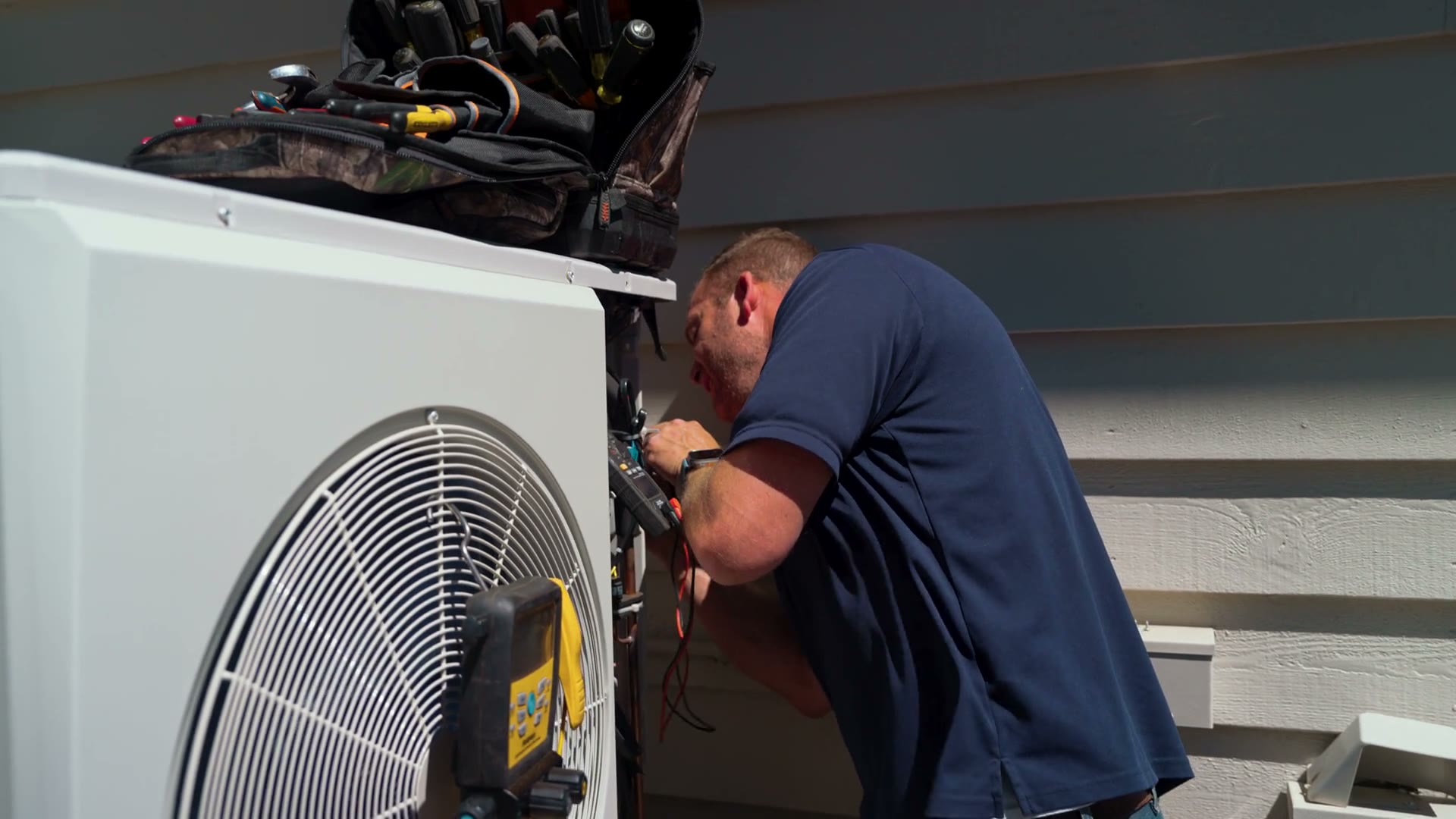
Understanding HERS Testing What California Homeowners Should Know Before an HVAC Installation
If "HERS testing" sounds like a phrase from a permit office, that is about right. HERS stands for Home Energy Rating System, and for California homeowners it is a required step on most HVAC projects. Before a new air conditioner, furnace, or heat pump goes in, a HERS test verifies that the system is installed correctly and operating the way the energy code expects. Here is what it is, when you need it, and how to be ready for it.
What HERS Testing Is and Why California Requires It
HERS is the Home Energy Rating System, a state program that confirms home systems, HVAC in particular, actually deliver the efficiency they are rated for. A new unit being new is not enough. The code wants proof it was installed and is running at the performance the equipment is capable of. The reason is simple math. Heating and cooling make up a large share of a typical home's energy use, and a poorly installed system or leaky ductwork can waste energy for years. HERS testing is the verification step under California's Title 24 energy standards that closes that gap. It protects your comfort, your utility bills, and your home's documented efficiency at resale.
When HERS Testing Is Required
Your building permit spells out the exact requirements, but a HERS test is likely if your project includes any of the following:
- Installing or replacing an air conditioner, furnace, or heat pump
- Adding, replacing, or modifying a meaningful portion of ductwork
- Upgrading system controls or thermostats tied to compliance
What a HERS Test Measures
A HERS rater verifies the parts of an install that quietly make or break efficiency:
- Duct leakage: Seals must be tight. Leaky ducts can lose up to 30 percent of a system's output before it ever reaches your rooms.
- Airflow: The system must move enough air to heat and cool each room properly.
- Refrigerant charge: The correct charge is what lets the equipment hit its rated efficiency.
- Fan watt draw: The blower's energy use is checked against code limits.
- Proper installation: From insulation to filter access, the details get verified.
Who Performs the Test
Your HVAC installer cannot perform your HERS test. California requires a third-party, certified HERS rater, an independent professional trained to test, measure, and report results. Keeping the tester separate from the installer is the whole point. It removes any conflict of interest and gives the inspector an honest, independent verification. A good contractor coordinates the rater for you and schedules the test so it does not hold up your permit. Brewer HVAC has handled this process across Grass Valley, Nevada City, Penn Valley, Auburn, Colfax, and up into Truckee and Tahoe City since 1980, so we know how the local permit and HERS workflow runs.
What Happens If You Skip It
Skipping a required HERS test does not save you anything. It stalls the project. Without a passing result, your permit does not get final approval, and an open or unfinaled permit can:
- Delay a home sale, refinance, or remodel down the line
- Disqualify you from rebates and efficiency incentives
- Create code enforcement problems and possible fines
How to Prepare for HERS Testing
A few steps keep the test smooth and the result passing:
- Hire a licensed, code-literate contractor. They should understand local requirements and coordinate the rater for you. Brewer holds California Contractors License #608848, employs NATE-certified technicians, and is a Carrier Factory Authorized Dealer.
- Schedule early. Raters get booked during peak heating and cooling seasons in the foothills.
- Fix the obvious first. Leaky ducts, insulation gaps, and a poor refrigerant charge are what fail tests. Address them during install.
- Keep your documentation. Save the HERS report and permit records. You may need them when you sell or refinance.
The Real Payoff
HERS testing is more than a code box to check. A system that passes is a system that was actually installed right, and that shows up where it matters:
- Lower energy bills from a properly charged, properly sealed system
- More even comfort and better indoor air quality through correct airflow
- Eligibility for current California rebates and incentives, which often require a passing HERS result. Heat pump and efficiency programs change over time, so a passing test keeps you in position to qualify when you may be eligible
- Documented efficiency that supports your home's value at resale
Related: the step-by-step HERS testing guide, how to avoid a failed HERS test, AC installation.
Frequently asked
What is a HERS rater, and can my installer do the test?
A HERS rater is a third-party professional certified through a California-approved provider. Your installer cannot legally perform your HERS test. The rater must be independent to keep the verification honest and avoid a conflict of interest.
How long does HERS testing take?
A typical HERS test takes about one to two hours, depending on your system and the size of your home. Larger or more complex homes can take a bit longer, but it is rarely a full-day job.
How much does a HERS test cost?
Costs vary by system size, complexity, and local rates, but homeowners can generally expect a range of roughly $250 to $500. Your contractor can confirm the cost for your specific project when the permit is pulled.
What happens if my system fails HERS testing?
If the system fails, your installer corrects the issue, often a duct leak, an airflow problem, or refrigerant charge, and the rater retests. You need a passing result to finalize your permit.
Are there rebates for passing HERS testing?
Many California utility and state programs offer rebates for energy-efficient HVAC upgrades, and a passing HERS test is commonly required to qualify. Program availability and amounts change over time, so confirm current offers when you plan your install.
Do I need a HERS test just for a furnace or AC replacement?
Often yes. Most full equipment changeouts and many duct modifications trigger HERS verification under California's Title 24 standards. Your building permit defines the exact requirement, so confirm it with a licensed contractor before installation.