


How California Title 24 Energy Standards Affect Your Residential HVAC Project
Title 24 is California's set of building energy efficiency standards, and it touches almost every residential HVAC project in the state. Whether you are replacing an aging furnace or putting in a new heat pump, the code shapes which equipment you can install, how your ducts get tested, and what has to pass inspection before the job is signed off. Here is what Title 24 means for a homeowner in Nevada County, and how Brewer HVAC keeps your project compliant from the first load calculation to final approval.
What Title 24 Actually Is
Title 24 is shorthand for California's Building Energy Efficiency Standards, part of the California Code of Regulations. The California Energy Commission updates these standards every few years to lower how much energy buildings consume. The code covers insulation, windows, lighting, and your heating and cooling system. For HVAC specifically, Title 24 sets minimum equipment efficiency ratings, requires proper system sizing, and limits air leakage from ductwork. It is not optional. For most new installations and many changeouts here in Grass Valley, Nevada City, Penn Valley, and the surrounding foothills, the standards apply the moment you pull a permit.
How Title 24 Shapes a Residential HVAC Job
The days of swapping out a furnace or AC without a second thought are over. Title 24 affects nearly every step of the work:
- System sizing. A Manual J load calculation is required so the equipment matches the home. Over-sizing or under-sizing can fail inspection.
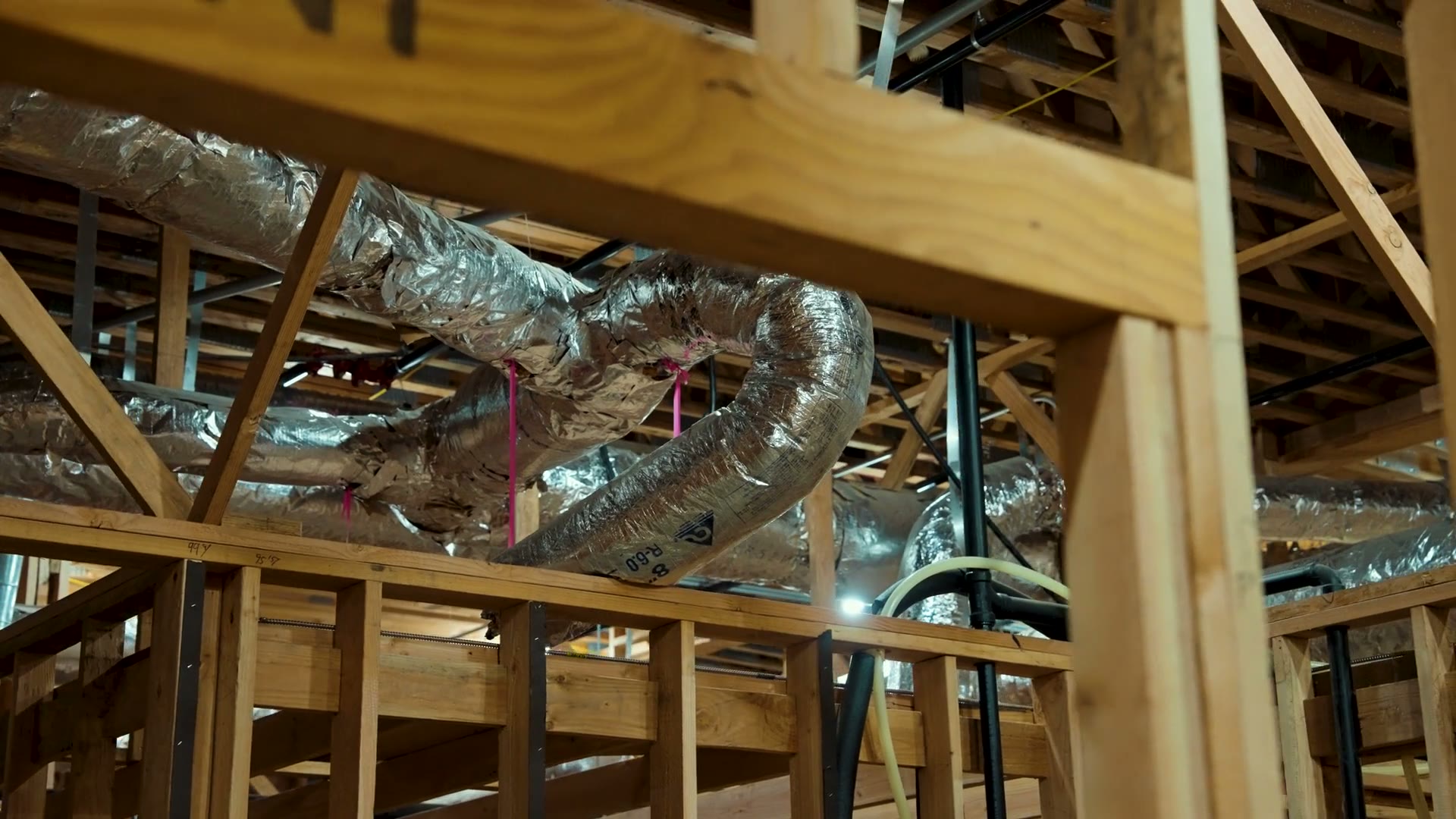
- Duct testing. New or replaced ductwork must be tested for leakage and sealed to meet the standard.
- Equipment ratings. Systems have to meet minimum efficiency ratings, and high-efficiency, ENERGY STAR rated equipment is the norm.
- Thermostats and controls. Many new systems need a qualifying programmable or smart thermostat.
- Permits and inspection. Every install or major alteration is documented and inspected.
The HERS Verification Step
HERS stands for Home Energy Rating System, and it is the part of Title 24 that trips up homeowners who hire the wrong contractor. For many HVAC changeouts, the state requires third-party verification by a certified HERS rater. The rater is independent from the installer. Depending on the work, HERS testing can include duct leakage testing, refrigerant charge and airflow verification, and fan watt draw measurement. The goal is to confirm the system performs the way it was designed to, not just that it was bolted in. Brewer schedules HERS testing as part of the project so there is no scramble at the end. A failed test means rework, so it pays to get the install right the first time.
The Compliance Process, Step by Step
- Planning. Compliance requirements change each code cycle, so the conversation starts before any equipment is ordered. We confirm the current version of the standard applies to your project.
- Load calculation and selection. Manual J sizes the load and Manual S matches the equipment to it. No one-size-fits-most shortcuts.
- Documentation and permitting. Your project needs energy compliance paperwork, typically a CF-1R Certificate of Compliance, filed with the local building department. Nevada County or the city will not issue a permit until it is in order.
- Installation and testing. Proper equipment placement, duct design, and air sealing, followed by HERS verification where required.
- Final inspection. The building department signs off once everything passes. Failing means fixing issues, often at extra cost.
Why Compliance Is Worth It in the Sierra Foothills
Title 24 can feel like extra paperwork, but the payoff is real, especially in our climate. Nevada County homes deal with cold foothill winters and hot, dry summers, so an efficient, properly sealed system makes a noticeable difference:
- Lower utility bills. Compliant systems run more efficiently and cost less to operate.
- Better comfort. Right-sized equipment and sealed ducts hold temperature evenly through every season.
- Stronger resale value. A documented, high-efficiency, code-compliant system is an asset when you sell.
- Lower energy use. Less waste means a smaller footprint for your project.
What Happens If Title 24 Is Ignored
Cutting corners on Title 24 costs more than doing it right. Non-compliance can lead to:
- Permit delays. Inspectors will not sign off until every requirement is met.
- Fines. Some jurisdictions attach penalties to non-compliant work.
- Costly retrofits. If a system fails HERS or final testing, you may have to reseal or replace ductwork, or swap equipment.
- No final approval. Without sign-off, the work is not legally complete, which becomes a problem at resale.
Related: how Title 24 affects your project, HERS testing, heat pump installation.
Frequently asked
What is Title 24 energy compliance?
Title 24 is California's state building energy efficiency standard. It requires new and altered buildings, including HVAC systems, to meet set performance levels to reduce energy use. For HVAC that means efficiency ratings, proper sizing, sealed ducts, and in many cases third-party HERS verification.
Who enforces Title 24 in California?
Local building departments enforce it through permits, documentation, and inspections. For HVAC work, a certified HERS rater independent of the installer often verifies the system through duct leakage testing and refrigerant charge or airflow checks before final sign-off.
Does Title 24 apply to HVAC replacements or only new installs?
Both. Replacing equipment in an existing Nevada County home can trigger Title 24 requirements just like a new installation, including efficiency minimums, duct sealing, and sometimes a thermostat upgrade. The exact requirements depend on the scope of the changeout.
What is a HERS rater and why does my project need one?
HERS stands for Home Energy Rating System. A HERS rater is a certified, third-party inspector who independently verifies that your HVAC work meets Title 24. Depending on the job, they test duct leakage, refrigerant charge, airflow, and fan watt draw. Brewer schedules this as part of the project.
What happens if my HVAC project is not Title 24 compliant?
Non-compliance can mean failed inspections, permit delays, fines, and costly retrofits such as resealing ducts or replacing equipment. Without final approval the work is not legally complete, which can complicate a future sale of the home.
How do I make sure my HVAC project is compliant?
Hire a licensed contractor who knows current California energy code, confirm the load calculation and equipment selection up front, request the compliance documentation such as the CF-1R, and schedule any required HERS testing. Brewer HVAC handles all of this from planning through final inspection.